

Overworked, Overscheduled, Overwhelmed
Learning to Slow Down in a Culture That Won't Stop Rushing
There is a particular kind of exhaustion that doesn’t come from working a long day or a bad night’s sleep. It’s the exhaustion of never stopping. Of moving from one thing to the next — from the alarm to the inbox to the meeting to the carpool to dinner to the inbox again — without a single moment that belongs fully to you.
It’s the exhaustion of a life lived at the speed of demand rather than the speed of a human being.
Art therapist and trauma specialist Cathy Malchiodi observes that the world has become “too bright, too loud, too much” — and asks, in a culture that is constantly telling us to hurry, how we might take even a single moment to slow down?
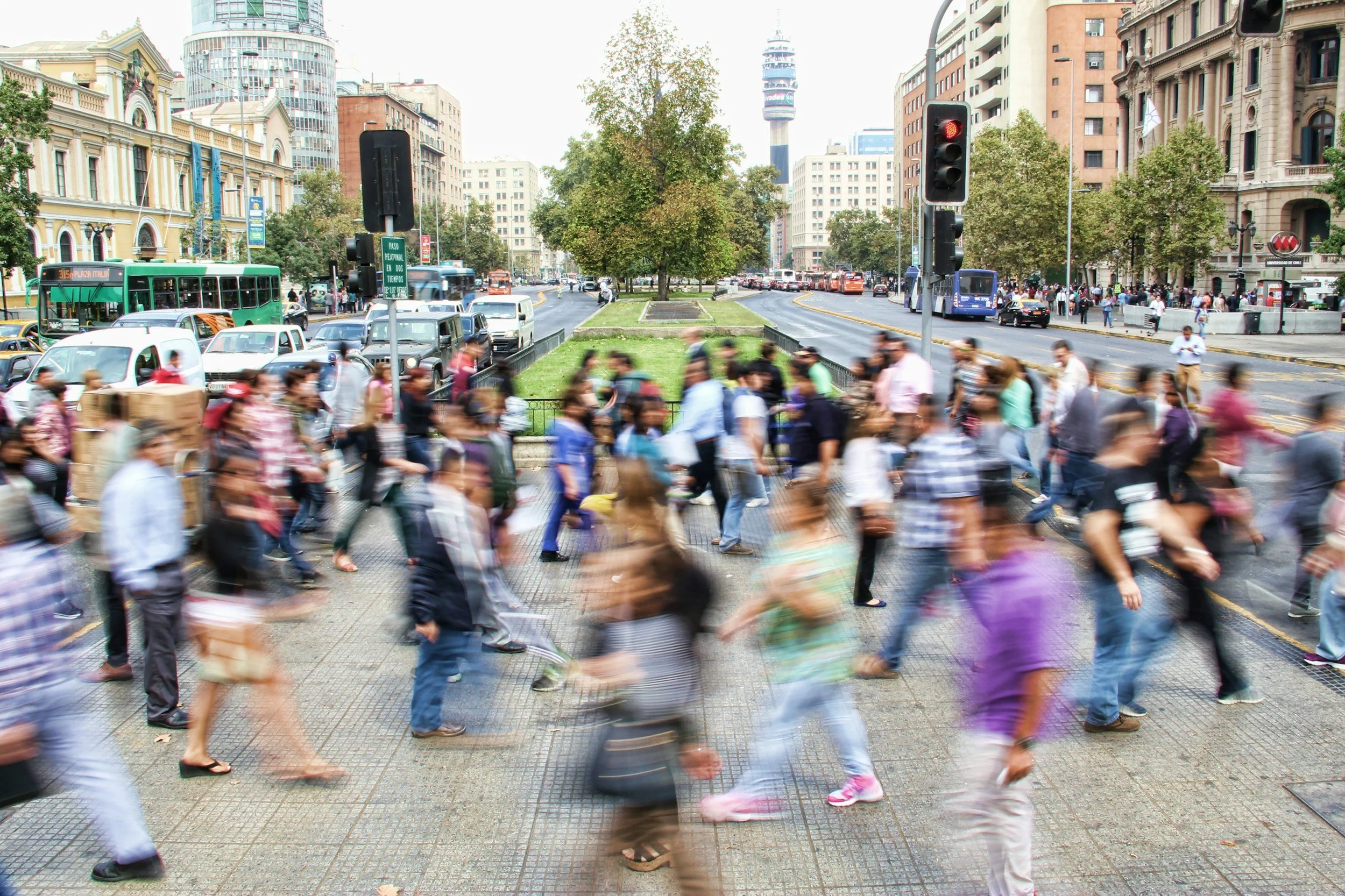
That question deserves a real answer. Not a tip list, not a productivity hack, a genuine reckoning with what it costs us to live at this pace, and what it might feel like to choose differently.
The Myth of Busyness as Worth
We live in a culture that has quietly taught us to equate busyness with value. Being scheduled is being important. Being overextended is being needed. Saying “I’m so busy” has become a kind of social currency — proof that we matter, that we contribute, that we are doing enough.
But beneath that busyness, many people are quietly drowning.
Anxiety. Chronic sleep disruption. Irritability that spills onto the people we care about most. A nagging sense that life is moving past us faster than we can actually experience it. These are not character flaws. They are the predictable consequences of operating a human nervous system at a speed it was never designed to sustain.
The brain and body have their own rhythms. They need recovery time, unstructured time, even boredom. They need sensory quiet, not just sleep. When we deny them that consistently, they begin to signal distress in ways we often misread as weakness, laziness, or something we need to push through.
We are not machines. And pushing through is not always the answer.
What Overwhelm Actually Looks Like
Overwhelm doesn’t always announce itself dramatically. It tends to show up quietly, and often sideways:
You’ve forgotten the last time you did something just because you wanted to.
You feel guilty resting, as though productivity is a condition of your worth.
Your relationships feel like another item on the to-do list.
You are physically present but mentally elsewhere — at dinner, with your children, even in your own body.
A small setback, a delayed email, a change in plans, sends you into disproportionate distress.
You fantasize about getting sick, just so you’d have permission to stop.

These are not signs that you’re failing. They are signs that you are overextended, and that something needs to change.
The Nervous System Doesn’t Understand Calendars
Here is something worth knowing: your nervous system cannot distinguish between a “productive stress” and a damaging one. It responds to chronic busyness the same way it responds to threat — by staying activated, vigilant, and on guard.
Over time, that state of low-level alarm becomes your baseline. Rest starts to feel uncomfortable. Stillness feels dangerous. Even a quiet afternoon can provoke anxiety, because the system no longer knows how to be calm.
This is not a personal failure. It is a physiological response to an unsustainable environment.
Slowing down, then, is not indulgence. It is regulation. It is the thing that brings the nervous system back into a state where genuine connection, creativity, and joy are possible. Where you can actually be present for your life, rather than managing it from a distance.

Slowing Down Is a Practice, Not a Personality Trait
Some people hear “slow down” and think it applies to someone else — someone naturally calm, someone without real responsibilities, someone who doesn’t have three kids and a mortgage and a job that never fully ends.
But slowing down is not a temperament. It is a practice. And like any practice, it begins in small, imperfect, unglamorous moments.
Start with one genuine pause per day. Not a scroll. Not a podcast. Not background noise while you do something else. A pause — five minutes of sitting with a coffee before checking the phone, a short walk without earbuds, a few slow breaths before starting the car.
Notice what you’re actually feeling. Busyness is an excellent avoidance strategy. When we slow down, things surface: emotions, needs, grief, discomfort we’ve been outrunning. That’s not a reason not to slow down. That’s the point. A counsellor can be a safe place to sit with what comes up.
Question the obligations you’ve inherited. Some of what fills your schedule is genuine and meaningful. Some of it is habit. Some of it is a quiet fear of disappointing people, or of who you are without the busyness. It’s worth asking, honestly, which is which.
Allow rest without earning it. You do not need to have done enough to deserve a quiet evening. You do not need to justify stillness. Rest is not a reward for productivity, it is a human need, as basic as food or water.
Be patient with the discomfort. Slowing down often feels worse before it feels better. The nervous system takes time to recalibrate. The guilt takes time to quiet. Give the practice time.
A Note for Parents: Your children are watching, and they’re tired too
Children today are growing up inside the same rush culture as their parents, and it is affecting them in ways that deserve our attention.
Full schedules of activities, academic pressure starting younger and younger, the subtle cultural message that a child’s time should always be purposeful and productive—these things accumulate. Children are showing up to school anxious and exhausted. They’re struggling to tolerate boredom, sit with frustration, or simply play without direction.
Unstructured time is not wasted time for children. It is how they process their world, develop creativity, and build the capacity to self-regulate. Free play, the kind that is child-led, open-ended, and without an adult agenda, is one of the most protective things in a child’s life.
When we slow down as parents, we give our children permission to slow down too. When we model that rest is allowed, that not every moment needs to be optimized, that quiet is safe, we give them something they cannot learn from a schedule.
If your child seems anxious, reactive, or resistant in ways that feel out of proportion, it may be worth looking at the pace of their days, not just the content of their behaviour.
Counselling as a Space to Decelerate
One of the things therapy offers, in a culture that rarely offers it, is time that is entirely yours. Not productive time. Not optimized time. Time to sit with your own experience, to say out loud the things that have been running in the background, to figure out what you actually need.
For many people, the therapeutic hour is the only part of the week where they are not performing, not managing, not achieving anything except understanding themselves a little better.
That, in itself, can be healing.
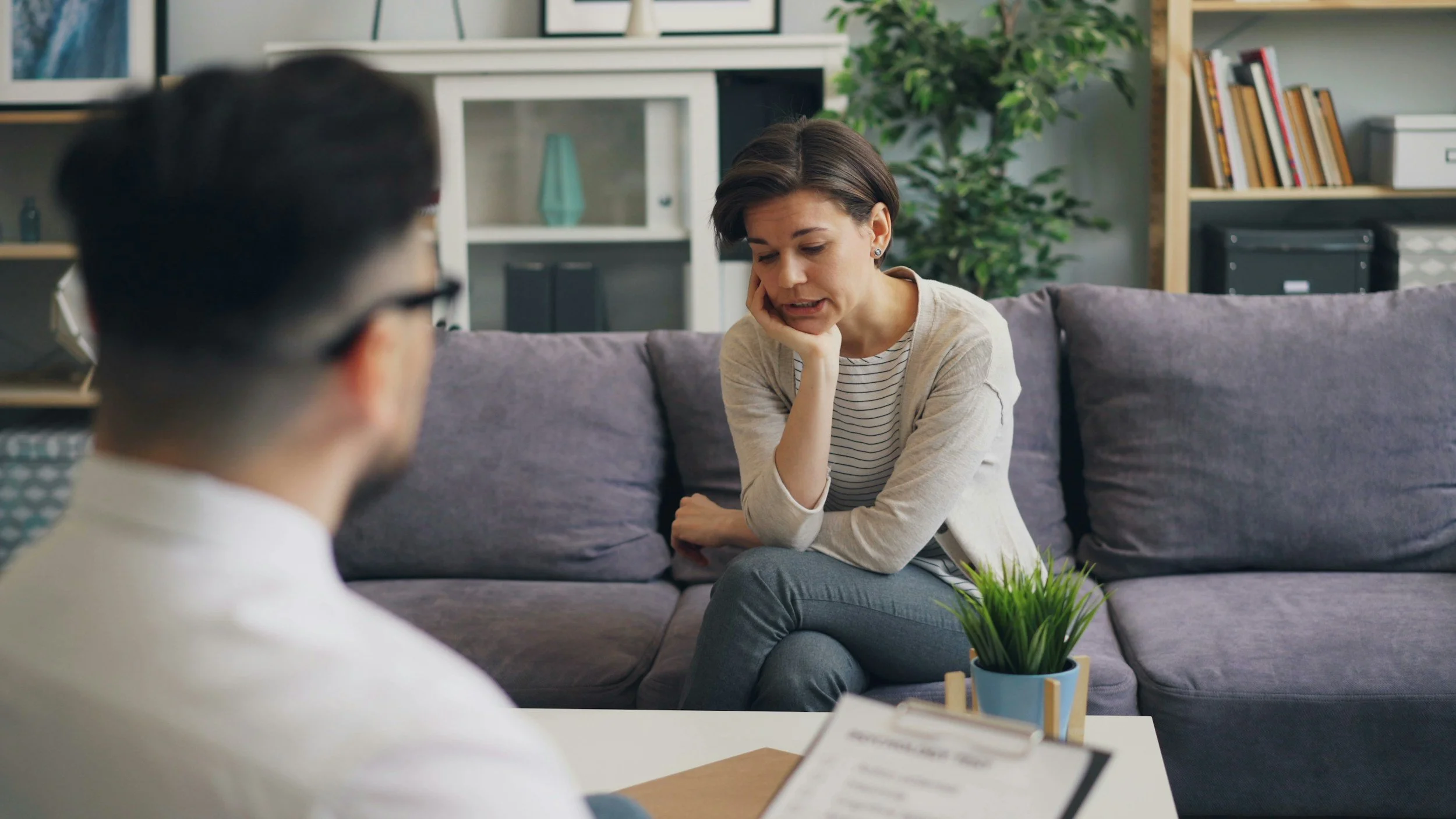
If you’re feeling scheduled, overworked, and overwhelmed — if you’re moving fast but not sure where you’re going — we’re here. You don’t need to have it figured out before you reach out.
Getting Started
If any part of this resonated, consider reaching out to our team.
Creative Horizons Counselling offers a warm, confidential space.
Book a consultation here or call us at 778-265-6383.
We are located in Westshore, Victoria, BC.